Things that you should not compost are
- chemically treated wood
- diseased plants
- meat and bones (unless very experienced)
- fatty foods and oils
- pet and human wastes
- dairy products
- inorganic material (plastic, wood)
- bleached paper

Meat is compostable, but if you are new to composting I could not recommend it. If you choose to compost meat, I would not compost it in a compost pile - only compost it if you are using the direct to garden method that I discussed yesterday. Also, it needs to be dug in immediately, not left sitting about and rotting. I would definately only compost meat by throwing in some conifer clippings with it as they are strong smelling and throw off the scent to any vermin that it might otherwise attract.

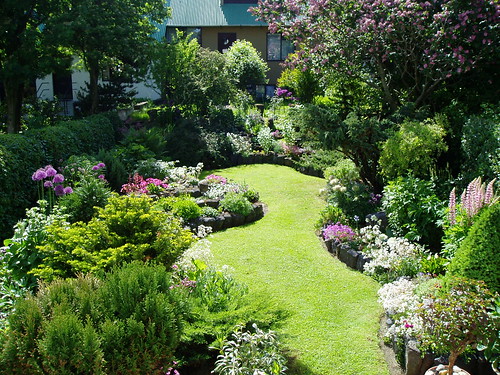
In a week or two the garbage will be fully composted and you will have great soil and soon a great garden.
I hope you will give composting a try - it is incredibly easy and you will be shocked by how much less garbage you produce.
TIPS AND TRICKS
Frequency
I am a bit lazy and I also don't like to get cold. I live in Colorado where the temperature is very moderate and there are not a lot of vermin around. In the winter, I have 4-5 buckets of compost that I build up before I dig it in. As I fill one pail up, I put it outside on a table where it is not easily accessible to any local animals. The compost waits there until I am less lazy and it is warm enough for me to go out and dig it in. In the meantime, the compost freezes at night, then thaws in the sun all week, so it starts breaking down nicely before I even dig it in.
Water
If I am running water in the kitchen sink to wash my hands, etc., I put the compost pail under the tap and capture the water in with the compost.
Animals
Every now and then either my dog or the neighbourhood racoon dig up my compost. To stop them, I have done two things: First, I add a couple of small conifer branches in with the compost - this changes the scent so that it is less appealing. Second, I pick up any doggy poop around the yard and throw it in or on top of the compost - no animal likes that!

